

Dental Implant Failure & Salvage – Virgina Beach, VA
Restore the Strength of Your Dental Implant
Dental implants are strong prosthetic devices that can replace lost teeth with durable and functional restorations, and they can last for decades or possibly for life if they are properly maintained. However, infections, injuries, and other issues can dislodge an implant or erode the tissues supporting it, which can set the device up for early failure. Here’s a brief guide to how the skilled staff at Smile Care Family Dentistry can fix compromised dental implants with effective failure and salvage services, but please feel free to contact our office in Virginia Beach if you’d like to learn more.
Why Choose Smile Care Family Dentistry for Dental Implant Failure & Salvage?
- Skilled and Experienced Dental Team
- Prevent the Need to Replace Implants
- Preserve Your Oral Health
Why Do Dental Implants Fail?

Dental implants typically fail for one or more of three reasons. These include:
- Failed osseointegration: Osseointegration is the natural process by which titanium fuses with living bone tissue, and it allows dental implants to form the strong bonds necessary for them to work and feel like real teeth. If the patient does not adequately follow their aftercare instructions after their implants are placed, the devices may not properly fuse with their jawbone.
- Peri-implantitis: This refers to when the gum tissue or jawbone structure supporting an implant becomes compromised by oral infections. While this is usually caused by poor oral hygiene, it can also be the result of factors like age, underlying health conditions, or excessive tobacco or alcohol use.
- Injury: A dental implant can be suddenly or gradually worked loose by blows to the face, the pressure of habitual teeth grinding, or aggressive chewing habits.
Symptoms of Failed Dental Implants

Dental implant failure can potentially happen at any time. Your implant may need treatment if you notice symptoms like:
- Pain around the implant or during chewing.
- Changes in bite alignment related to your artificial tooth or teeth.
- The implant wiggling about in the gum tissue. If the implant is secure and the restoration is wiggling about upon it, the restoration may need to be repaired.
- Gum recession that exposes the titanium part of the implant.
- Redness or swelling of the gums around the implant.
- A soft, warm, fluid-filled bump in the gum tissue supporting the implant.
- Signs of infection such as fever, fatigue, chills, or a persistent nasty taste in your mouth.
How Dental Implant Salvage Works
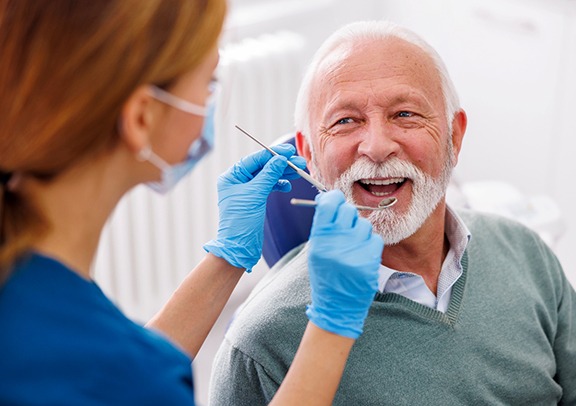
If an oral infection is threatening your dental implant, we may be able to save the device by treating the gums with an appropriate periodontal procedure. However, a more seriously compromised implant may require us to refer the patient to a specialist. Since it’s better to treat a compromised implant as soon as possible, please contact our office if you suspect your device is failing.